

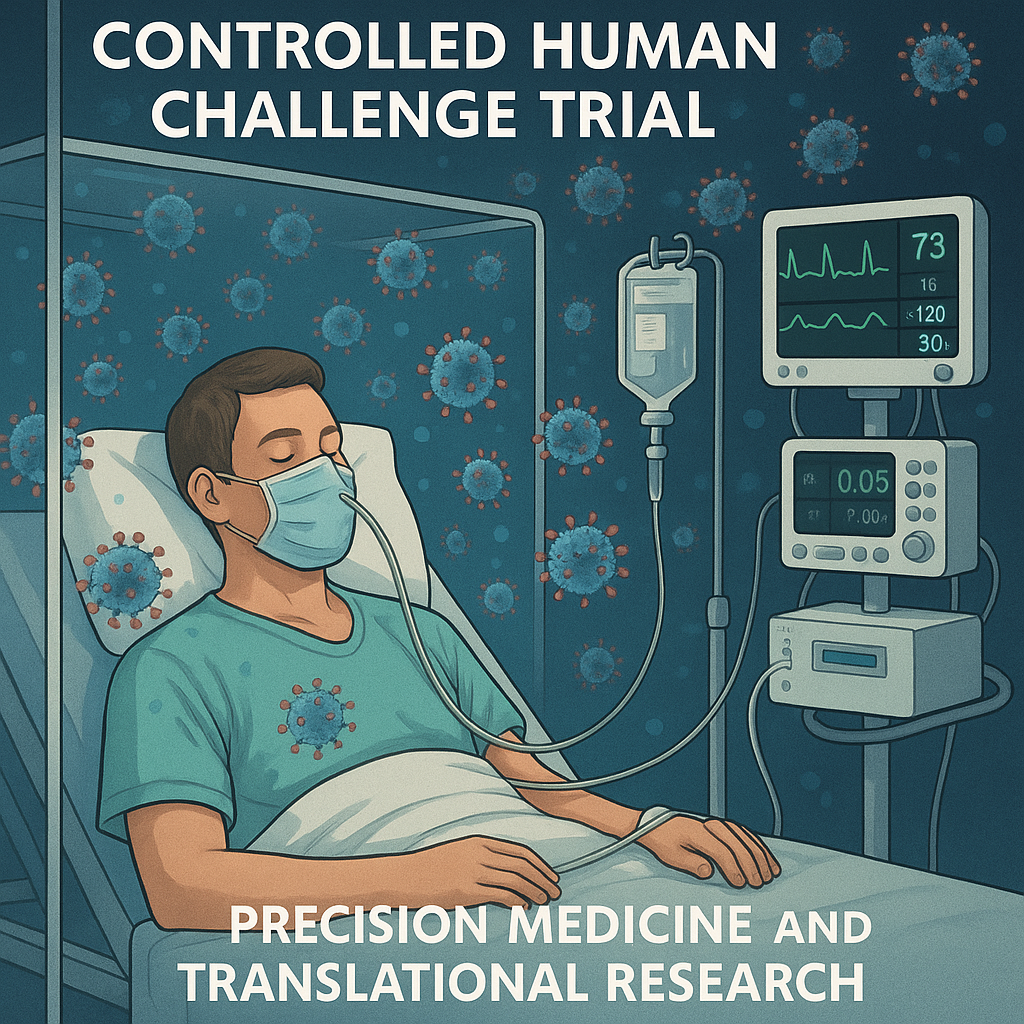
Next-generation human challenge models are revolutionizing respiratory virus research by delivering controlled, accelerated proof-of-concept data that traditional field trials cannot match.
The Evolution of Human Challenge Models in Respiratory Disease Research
Human challenge models have emerged as an indispensable platform for advancing respiratory virus research, evolving from early variolation studies to sophisticated, ethically governed controlled infection trials. These models, which involve the deliberate infection of healthy volunteers with characterized viral strains under controlled quarantine conditions, provide unique insights into the entire disease life cycle—from initial viral exposure through immune response and clinical resolution. Unlike traditional field trials that depend on natural exposure and unpredictable infection rates, next-generation human challenge models deliver precisely timed, dose-controlled infections that enable researchers to capture critical early immunological and virological events with unprecedented resolution.
The refinement of these models over recent decades has been driven by advances in viral characterization, Good Manufacturing Practice (GMP) challenge agent production, and rigorous safety protocols. Modern human challenge studies leverage validated viral strains that have been extensively characterized for safety, infectivity, and reproducibility, ensuring consistent disease induction while maintaining participant welfare as the paramount consideration. This evolution has positioned human challenge trials as a cornerstone methodology for accelerating vaccine and therapeutic development, particularly in early-phase proof-of-concept studies where rapid, high-quality data generation is essential for rational go/no-go decision-making.
Today's next-generation human challenge models extend beyond influenza and respiratory syncytial virus (RSV) to encompass a diverse portfolio of respiratory pathogens including rhinovirus, human metapneumovirus, and emerging bacterial models. This expanded repertoire reflects both scientific advances in challenge agent manufacture and growing regulatory acceptance of controlled infection studies as a valid pathway for demonstrating efficacy. As the pharmaceutical and biotechnology industries face mounting pressure to accelerate development timelines and reduce clinical trial costs, human challenge models offer a compelling value proposition: controlled, reproducible data generation in weeks rather than years, with sample sizes that are a fraction of those required for traditional field efficacy trials.
Controlled Infection Models: Accelerating Proof-of-Concept Data Generation
Controlled infection models represent a paradigm shift in how respiratory virus research generates proof-of-concept data, offering unparalleled efficiency and scientific rigor. By deliberately infecting healthy volunteers with characterized challenge agents in a quarantine environment, these models eliminate the variability and delays inherent in field trials that rely on natural pathogen circulation. Participants are monitored intensively with frequent sampling schedules—often including daily or twice-daily nasal washes, blood draws, and clinical assessments—enabling researchers to capture viral kinetics, immune responses, and clinical symptom progression with temporal precision that would be impossible in community settings.
The accelerated timeline afforded by human challenge trials is transformative for early-phase drug development. Traditional field efficacy studies for respiratory interventions can require multiple influenza seasons and thousands of participants to achieve statistical power, particularly when community attack rates are low or unpredictable. In contrast, a well-designed challenge study can deliver robust proof-of-concept data within 6-12 months from protocol finalization to database lock, using participant cohorts typically ranging from 30-100 individuals per arm. This efficiency enables rapid iteration of therapeutic candidates, dose optimization, and early identification of non-viable compounds, ultimately reducing the overall cost and risk of clinical development programs.
Beyond timeline advantages, controlled infection models provide mechanistic insights that inform rational drug development and biomarker discovery. The ability to obtain serial biological samples before, during, and after controlled viral exposure enables detailed interrogation of host-pathogen interactions, identification of correlates of protection, and validation of pharmacodynamic endpoints. These mechanistic data are invaluable for supporting regulatory submissions, optimizing dosing regimens, and designing subsequent field efficacy trials. Furthermore, the controlled nature of challenge studies allows for direct head-to-head comparisons of investigational products under identical infection conditions, providing high-quality comparative effectiveness data that can guide portfolio prioritization and licensing strategies.
Bridging Translational Research Through Integrated Laboratory and Clinical Platforms
The true power of next-generation human challenge models emerges when clinical infection protocols are seamlessly integrated with advanced laboratory platforms capable of real-time virology, immunology, and molecular analysis. Modern challenge study facilities now incorporate on-site laboratories operating under Good Clinical Laboratory Practice (GCLP) and ISO standards, with capabilities spanning viral load quantification, flow cytometry, multiplex immunoassays, and high-throughput sequencing. This integration enables immediate processing of clinical samples, preservation of sample integrity, and rapid data generation that can inform in-trial decision-making and adaptive study designs.
Translational research platforms built around human challenge models bridge the gap between preclinical animal studies and large-scale human efficacy trials, addressing a critical bottleneck in respiratory virus drug development. Animal models of respiratory infection, while valuable for initial mechanistic studies and safety assessment, often fail to recapitulate human disease pathophysiology, immune responses, and clinical outcomes with sufficient fidelity. Human challenge models provide a controlled human disease platform that validates preclinical findings, identifies human-relevant biomarkers, and generates pharmacokinetic/pharmacodynamic relationships in the target species—all before committing to expensive Phase II/III field trials. This translational validation substantially de-risks downstream development and increases the probability of regulatory success.
Integrated laboratory and clinical platforms also enable biobanking strategies that maximize the scientific value of challenge studies long after primary endpoint analysis. High-quality, serially collected samples from well-characterized infections represent an invaluable resource for secondary analyses, assay validation, and exploratory biomarker discovery. BSL-2 and BSL-3 laboratory capabilities allow for handling of diverse respiratory pathogens, while established sample management infrastructure ensures appropriate storage, chain of custody, and future accessibility. This holistic approach to translational research—combining controlled human infection with comprehensive laboratory analysis and prospective biobanking—creates a powerful platform for accelerating the entire respiratory virus product development continuum from target identification through late-stage clinical trials.
Regulatory Strategy and Safety Standards in Modern Challenge Trial Design
Regulatory acceptance of human challenge models has evolved substantially over the past two decades, driven by rigorous safety records, transparent ethical governance, and growing recognition of these models' value in accelerating product development. Modern challenge trial design incorporates multiple layers of participant protection, including stringent inclusion/exclusion criteria that screen for underlying health conditions, comprehensive informed consent processes that ensure volunteer understanding of intentional infection risks, and continuous medical monitoring throughout quarantine periods with predefined stopping rules and rescue medication protocols. These safety frameworks have established an excellent safety profile across thousands of challenge study participants, with serious adverse events remaining exceptionally rare.
Regulatory strategy for human challenge trials requires early and ongoing dialogue with health authorities to align on study design, endpoint selection, and evidence requirements for advancing to field efficacy studies or supporting accelerated approval pathways. Key regulatory considerations include challenge agent characterization and GMP manufacturing documentation, dose selection and infectivity rate justification, endpoint definitions that demonstrate biological and clinical relevance, and statistical powering appropriate for proof-of-concept objectives. Regulatory experience with challenge models varies across agencies and therapeutic areas; consequently, proactive engagement with FDA, EMA, and other relevant authorities is essential to ensure that challenge study data will be accepted in the context of overall development programs.
Risk-proportionate trial design has emerged as a guiding principle for modern challenge studies, balancing scientific objectives with participant safety and ethical considerations. This approach involves careful selection of challenge strains with known safety profiles, dose optimization to achieve target infection rates while minimizing symptom severity, and implementation of robust monitoring protocols with clear escalation pathways. For novel or more virulent pathogens, stepwise approaches may be adopted, beginning with natural infection studies, progressing to low-dose challenge studies in immune populations, and ultimately advancing to higher-dose studies in naive volunteers only when safety data justify such progression. Throughout this process, independent ethics committee oversight, data safety monitoring board review, and transparent reporting of safety outcomes maintain stakeholder confidence and regulatory acceptance of controlled infection research.
Expanding the Portfolio: From Viral to Bacterial Challenge Models
The next frontier in human challenge model development extends beyond traditional viral pathogens to encompass bacterial respiratory infections, representing a significant expansion in platform capabilities and therapeutic applications. Bacterial challenge models for pathogens such as Streptococcus pneumoniae, Haemophilus influenzae, and Bordetella pertussis are now being established and validated, opening new avenues for vaccine development, antibiotic efficacy testing, and investigation of host-bacterial interactions in the human respiratory tract. These bacterial models present unique technical challenges compared to viral challenge studies, including different routes of inoculation, distinct immunological endpoints, and specific safety considerations related to antibiotic resistance and potential invasive disease.
The development of bacterial challenge models requires sophisticated challenge agent manufacture and characterization to ensure consistent colonization or infection while maintaining participant safety. GMP production of bacterial challenge strains involves rigorous quality control testing for purity, viability, antibiotic susceptibility profiles, and absence of contaminating virulence factors. Unlike viral challenge models where infection is typically transient and self-limiting, bacterial challenge models often involve colonization endpoints and require clearly defined rescue antibiotic protocols. Regulatory strategies for bacterial challenge studies must address these distinct characteristics, including antibiotic selection pressure concerns, potential for transmission beyond the study period, and appropriate surveillance for invasive disease.
The expansion from viral to bacterial challenge models substantially broadens the utility of controlled infection platforms across the pharmaceutical and biotechnology landscape. Pneumococcal challenge models, for instance, enable evaluation of vaccines targeting colonization endpoints, assessment of antibiotic pharmacodynamics against respiratory bacterial pathogens, and investigation of bacterial-viral co-infection dynamics that are clinically relevant but difficult to study in field settings. Similarly, pertussis challenge models support vaccine development efforts aimed at reducing transmission and colonization, complementing traditional efficacy studies focused on disease prevention. As the portfolio of validated human challenge models continues to expand—encompassing both respiratory viruses and bacterial pathogens—these platforms are positioned to play an increasingly central role in accelerating infectious disease product development, generating mechanistic insights into respiratory disease pathophysiology, and ultimately delivering novel interventions to address significant unmet medical needs in respiratory and infectious diseases.