

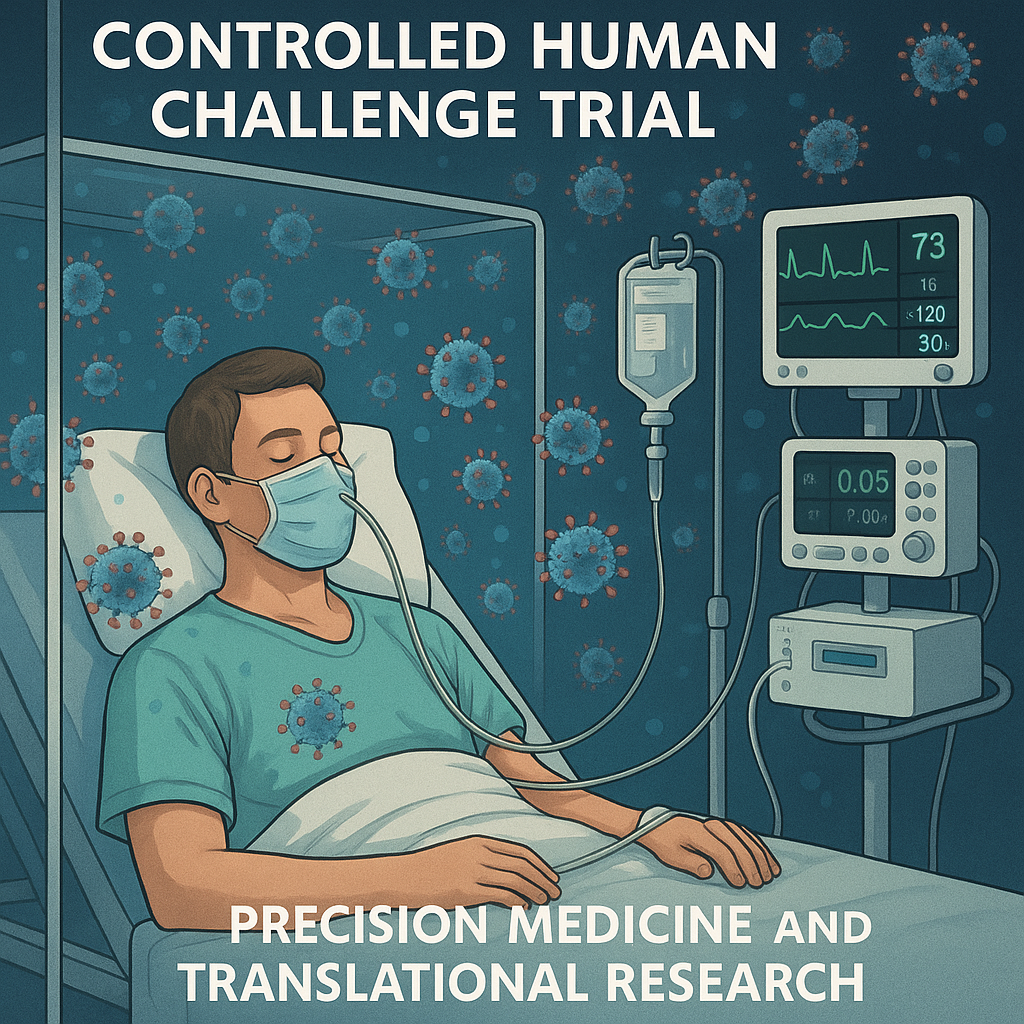
Next-generation human challenge models are revolutionizing respiratory virus research by delivering controlled, accelerated proof-of-concept data that traditional field trials cannot match.
The Evolution of Human Challenge Models in Respiratory Disease Research
Human challenge models have emerged as an indispensable platform for advancing respiratory virus research, evolving from early variolation studies to sophisticated, ethically governed controlled infection trials. These models, which involve the deliberate infection of healthy volunteers with characterized viral strains under controlled quarantine conditions, provide unique insights into the entire disease life cycle—from initial viral exposure through immune response and clinical resolution. Unlike traditional field trials that depend on natural exposure and unpredictable infection rates, next-generation human challenge models deliver precisely timed, dose-controlled infections that enable researchers to capture critical early immunological and virological events with unprecedented resolution.
The refinement of these models over recent decades has been driven by advances in viral characterization, Good Manufacturing Practice (GMP) challenge agent production, and rigorous safety protocols. Modern human challenge studies leverage validated viral strains that have been extensively characterized for safety, infectivity, and reproducibility, ensuring consistent disease induction while maintaining participant welfare as the paramount consideration. This evolution has positioned human challenge trials as a cornerstone methodology for accelerating vaccine and therapeutic development, particularly in early-phase proof-of-concept studies where rapid, high-quality data generation is essential for rational go/no-go decision-making.
Today's next-generation human challenge models extend beyond influenza and respiratory syncytial virus (RSV) to encompass a diverse portfolio of respiratory pathogens including rhinovirus, human metapneumovirus, and emerging bacterial models. This expanded repertoire reflects both scientific advances in challenge agent manufacture and growing regulatory acceptance of controlled infection studies as a valid pathway for demonstrating efficacy. As the pharmaceutical and biotechnology industries face mounting pressure to accelerate development timelines and reduce clinical trial costs, human challenge models offer a compelling value proposition: controlled, reproducible data generation in weeks rather than years, with sample sizes that are a fraction of those required for traditional field efficacy trials.
Controlled Infection Models: Accelerating Proof-of-Concept Data Generation
Controlled infection models represent a paradigm shift in how respiratory virus research generates proof-of-concept data, offering unparalleled efficiency and scientific rigor. By deliberately infecting healthy volunteers with characterized challenge agents in a quarantine environment, these models eliminate the variability and delays inherent in field trials that rely on natural pathogen circulation. Participants are monitored intensively with frequent sampling schedules—often including daily or twice-daily nasal washes, blood draws, and clinical assessments—enabling researchers to capture viral kinetics, immune responses, and clinical symptom progression with temporal precision that would be impossible in community settings.
The accelerated timeline afforded by human challenge trials is transformative for early-phase drug development. Traditional field efficacy studies for respiratory interventions can require multiple influenza seasons and thousands of participants to achieve statistical power, particularly when community attack rates are low or unpredictable. In contrast, a well-designed challenge study can deliver robust proof-of-concept data within 6-12 months from protocol finalization to database lock, using participant cohorts typically ranging from 30-100 individuals per arm. This efficiency enables rapid iteration of therapeutic candidates, dose optimization, and early identification of non-viable compounds, ultimately reducing the overall cost and risk of clinical development programs.
Beyond timeline advantages, controlled infection models provide mechanistic insights that inform rational drug development and biomarker discovery. The ability to obtain serial biological samples before, during, and after controlled viral exposure enables detailed interrogation of host-pathogen interactions, identification of correlates of protection, and validation of pharmacodynamic endpoints. These mechanistic data are invaluable for supporting regulatory submissions, optimizing dosing regimens, and designing subsequent field efficacy trials. Furthermore, the controlled nature of challenge studies allows for direct head-to-head comparisons of investigational products under identical infection conditions, providing high-quality comparative effectiveness data that can guide portfolio prioritization and licensing strategies.